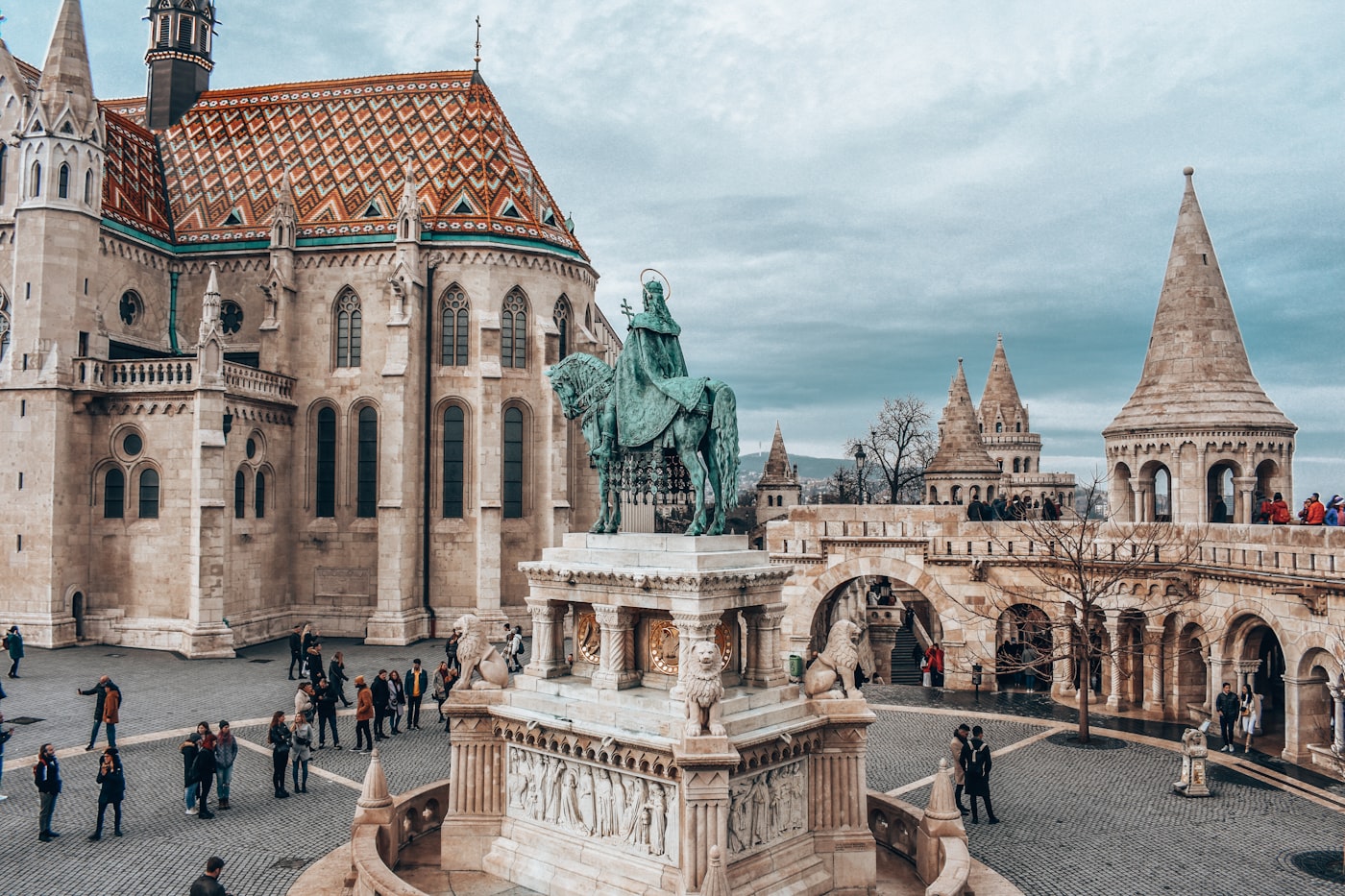
Europe's architectural heritage tells stories that span millennia, each building a chapter in an ever-evolving narrative of human creativity and ambition.
Walking through the streets of any European city, you encounter layers of history written in stone, glass, and iron. Gothic spires reach skyward with the same ambition that drove medieval craftsmen. Renaissance palaces whisper of enlightenment and rediscovered classical ideals. Baroque facades dance with movement and drama. Each style emerged from specific cultural moments, yet together they form a continuous dialogue across centuries.
Romanesque Foundations
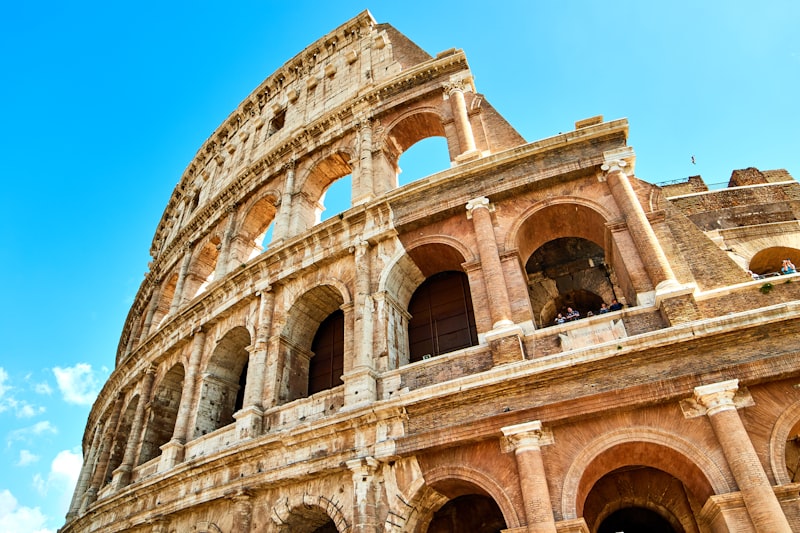
The story begins with Romanesque architecture, which dominated Europe from the 9th to the 12th century. These structures speak of permanence and faith. Thick walls, rounded arches, and small windows create an atmosphere of fortress-like solidity. Churches and monasteries built in this style still stand across France, Italy, and Spain, their massive forms anchoring communities just as they did nearly a thousand years ago.
What makes Romanesque remarkable is its engineering honesty. Barrel vaults and groin vaults distribute weight in ways that are visible and comprehensible. There's no attempt to disguise structural necessity behind decorative flourishes. The architecture reveals its own logic.
The Gothic Revolution
Gothic architecture transformed how buildings could defy gravity. By developing the pointed arch, the flying buttress, and the ribbed vault, Gothic builders created structures that seemed to transcend their material nature. Cathedrals like Chartres and Reims demonstrate how structural innovation enabled spiritual expression.
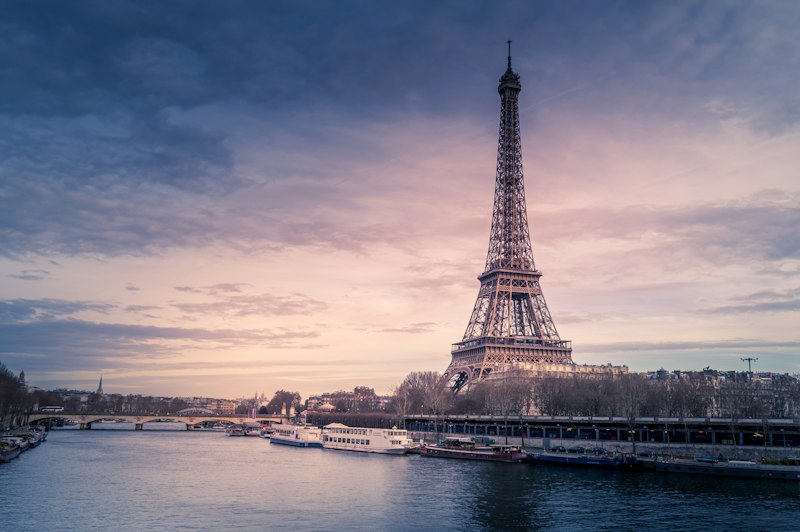
Light became a primary building material. Walls dissolved into frameworks for stained glass. Interior spaces soared to unprecedented heights. The Gothic style wasn't merely decorative; it represented a fundamental rethinking of what architecture could achieve.
Renaissance Clarity
When Renaissance architects turned back to classical antiquity, they weren't simply copying. They were reinterpreting Roman principles through the lens of humanist philosophy. Filippo Brunelleschi's dome in Florence demonstrated mastery of ancient techniques applied to contemporary problems. Andrea Palladio's villas around Vicenza showed how classical proportions could create buildings perfectly suited to their landscapes and purposes.
Renaissance architecture values symmetry, proportion, and mathematical relationships. These buildings communicate rational order. Looking at a Renaissance facade, you can sense the underlying geometric systems that govern its composition. Every element relates to every other element according to harmonious ratios.
"Understanding these architectural traditions transformed how I approach design. The consultation revealed patterns I'd never noticed, despite years of study."
— Dr. Richard Pembrook, Architectural Historian
Baroque Drama
Baroque architecture embraced movement, emotion, and theatrical effect. Where Renaissance buildings stood in serene equilibrium, Baroque structures pulse with energy. Curved facades, sculptural decoration, and dramatic use of light and shadow create spaces that engage all the senses.

Francesco Borromini's churches in Rome demonstrate how Baroque architects manipulated space itself. Walls undulate. Domes seem to float. Interiors flow from one space to another without clear boundaries. The architecture becomes a kind of frozen choreography.
Neoclassical Return
The 18th and early 19th centuries saw another classical revival, but with different motivations than the Renaissance. Neoclassical architecture reflected Enlightenment ideals of reason, order, and civic virtue. Buildings like the Pantheon in Paris or the British Museum in London use classical elements to express democratic and educational values.
This wasn't mere imitation of ancient forms. Neoclassical architects adapted classical vocabulary to new building types: museums, libraries, government buildings, and railway stations. They demonstrated how historical styles could serve modern functions.
Modern Innovations
The 20th century brought radical changes. Art Nouveau celebrated organic forms and new materials. Bauhaus pursued functional simplicity. Brutalism made concrete into an expressive medium. Postmodernism reintroduced historical reference with irony and playfulness.
Each movement responded to its historical moment, yet each also connected to the long European architectural tradition. Understanding these connections reveals how architecture continuously evolves while maintaining threads of continuity.
Our Architectural Services
We offer specialized consultation and documentation services for understanding and preserving architectural heritage.
Historical Analysis
Comprehensive research into a building's architectural style, construction methods, and historical context.
Heritage Documentation
Detailed recording of architectural features, materials, and decorative elements for preservation purposes.
Style Consultation
Expert guidance on identifying architectural styles and understanding their historical significance.
Conservation Planning
Strategic advice for maintaining and restoring historical buildings while respecting original design intent.